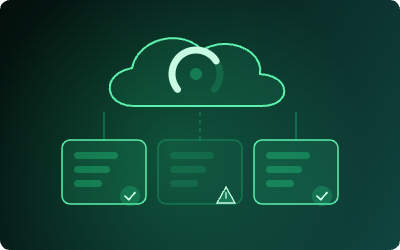
The Digital Operational Resilience Act (DORA) represents a transformative regulatory framework, compelling financial entities to strategically address ICT-related disruptions to safeguard their operational resilience. Designed to bolster the operational resilience of financial institutions, DORA mandates robust frameworks for managing ICT risks, incident reporting, operational resilience testing, and third-party risk management.
Yet, many organisations have found themselves missing the compliance deadline, leaving them exposed to regulatory penalties and operational vulnerabilities.
If your organisation is among those still working toward compliance, don’t panic. This blog will guide you through why the deadline was missed, how to assess your current gaps, and the steps needed to achieve compliance efficiently.
Why Organisations Missed the Deadline
Understanding the reasons behind non-compliance is key to building a successful path forward. Common challenges include:
- Underestimating the Scope of DORA
Many organisations, including senior decision-makers, mistakenly assumed their existing governance, risk, and compliance (GRC) frameworks would suffice without fully assessing DORA’s more stringent and integrated requirements. However, DORA’s requirements extend far beyond traditional approaches, demanding a deep integration of ICT risk management processes.
- Resource Constraints
Small and mid-sized financial firms often struggle with limited budgets and personnel. The complexity of implementing new frameworks can overwhelm existing resources, delaying progress.
- Third-Party Dependencies
Dependence on external vendors for critical ICT services introduced additional challenges. Many organisations lacked visibility into their vendors’ compliance readiness, leading to delays in addressing third-party risk requirements.
- Regulatory Complexity
Organisations operating across multiple jurisdictions faced difficulties aligning DORA’s requirements with other regulatory frameworks like GDPR or NIS2. The resulting confusion slowed down compliance efforts.
Understanding Your Current Compliance Gap
To move forward, you need a clear understanding of where your organisation stands. Here’s how to assess your current position:
Conduct a Gap Analysis – we know you know this but you know it’s important..
Identify where your existing practices fall short of DORA’s requirements:
- Evaluate ICT risk management frameworks for alignment with DORA.
- Review incident reporting processes to ensure compliance with required timelines and formats.
- Assess your operational resilience testing practices to identify deficiencies.
- Examine your approach to third-party risk management and information sharing.
Engage Expertise
Consider bringing in external consultants or using specialised tools to help diagnose gaps and prioritize remediation efforts effectively.
Practical Tools
Use readiness checklists, maturity assessments, and benchmarking to understand how your organisation compares to peers and industry standards.
Immediate Steps to Start Achieving Compliance with DORA
Getting back on track requires a focused approach. Here are four immediate steps:
- Prioritise High-Impact Areas
Identify the most critical areas of non-compliance, such as third-party vendor management or incident reporting. Address these first to mitigate risks and demonstrate progress.
- Form a DORA Task Force
Create a cross-functional task force, led by senior executives, to oversee compliance efforts and align initiatives with organisational strategy. Include representatives from IT, compliance, operations, and procurement. Empower this team to drive initiatives and regularly update leadership.
- Leverage Technology
Adopt tools that streamline compliance efforts, such as Continuous Controls Monitoring (CCM) platforms, which offer executives real-time insights into control effectiveness and regulatory alignment:
- Use automation for continuous controls monitoring (CCM) to track and report on controls in real time.
- Choose platforms that integrate with existing systems to reduce implementation time and costs.
- Engage with Third Parties
Ensure your vendors are aligned with DORA requirements:
- Conduct thorough assessments of their compliance readiness.
- Update contracts to include clear service-level agreements (SLAs) for regulatory compliance.
- Schedule regular audits to monitor ongoing adherence.
Building a Sustainable Path to Compliance
While immediate fixes are essential, achieving long-term compliance requires a sustainable approach:
Create a Compliance Roadmap
Break down the compliance journey into phases with specific milestones, deadlines, and responsible teams.
Regular Testing
Establish a schedule for operational resilience testing. Use findings to improve your practices continuously.
Foster a Resilience Culture
Educate employees across all levels on the importance of operational resilience and their role in maintaining compliance.
Invest in Continuous Monitoring
Implement a CCM platform to monitor risks and controls in real time. This ensures ongoing alignment with DORA’s requirements and reduces the risk of falling behind in the future.
What Comes Next in the Regulatory Landscape?
As DORA enforcement gains momentum, expect increased scrutiny and potential updates to the regulatory framework. Organisations should:
- Monitor regulatory trends to stay ahead of changes.
- Prepare for complementary regulations that may affect their compliance posture.
- Leverage insights from early adopters to refine their strategies.
Act Now to Protect Your Organisation
Missing the DORA compliance deadline presents significant challenges, but it also offers an opportunity to strategically realign operations and reinforce regulatory resilience. By taking immediate action, assessing your gaps, and building a sustainable compliance roadmap, your organisation can meet regulatory expectations and enhance its operational resilience.
Ready to get started? Download our DORA white paper here. Don’t wait—regulatory resilience starts today.