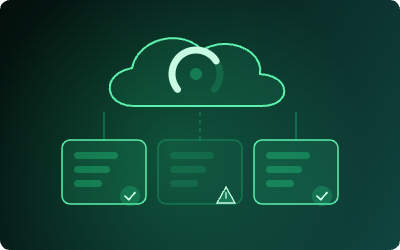
Continuous Controls Monitoring (CCM) is a crucial component of a comprehensive risk management and compliance strategy for businesses. So, when people consider their 2024 financial budgets, how can CISO’s and senior security leadership teams present a compelling argument to obtain the investment they need to implement CCM?
Draw out the key business benefits of CCM.
Operational benefits are often spoken about in articles that talk about CCM. However, Boards are less concerned about operational issues that need addressing but rather what overall business benefits can be extracted when you implement continuous controls monitoring. This my sound harsh but is true; rather than speaking of how a security risk or compliance team will become more efficient, play to the Boards key concerns that will focus on overall business performance.
What are the business benefits of Continuous Controls Monitoring?
Adding CCM into financial budgets for 2024 can provide several benefits and is important for the following reasons:
Risk Mitigation: CCM helps identify control weaknesses and compliance violations in real-time, enabling organisations to take corrective actions promptly. This reduces the risk of fraud, errors and non-compliance with regulations, protecting the organisations’ reputation and financial stability.
Compliance: Many industries are subject to strict regulatory requirements, such as SOX, HIPAA, GDPR and others. Implementing CCM helps organisations maintain compliance with these regulations by regularly monitoring controls and ensuring they are operating as intended.
Operational Efficiency: Effective controls can streamline operations and reduce the risk of errors or inefficiencies. By allocating resources to CCM an organisation can optimise its processes and reduce operational costs in a matter of days not weeks.
Real-time Visibility: CCM provides real-time visibility into an organisations’ security posture and operational effectiveness. This timely information allows decision-makers to respond quickly to emerging threats and challenges.
Data Security: In today’s digital age data breaches and cyber threats are constant risks. CCM can help organisations monitor and protect sensitive data, ensuring that security controls are functioning as intended.
Audits: CCM can simplify and expedite audits and inspections as it provides evidence that controls are consistently in place and effective. This can reduce the cost and disruption associated with external audits.
Legal and Ethical Obligations: Organisations have a legal and ethical responsibility to safeguard their assets, protect sensitive information, and operate with integrity. CCM is a means to fulfill these obligations.
Business Continuity: CCM can contribute to business continuity by identifying potential disruptions or vulnerabilities in critical systems or processes. By addressing these issues proactively organisations can reduce the risk of downtime and maintain operational continuity.
Customer and Investor Confidence: CCM can boost customer and investor confidence by showing that the organisation takes risk management and compliance seriously, thereby enhancing trust in the business.
In summary, Continuous Controls Monitoring offers a range of significant business benefits, including risk reduction, cost savings, increased efficiency, compliance assurance and improved decision-making.
It’s a valuable tool for organisations looking to enhance their control environment and overall operational performance.
If you’d like to find out more about CCM please click here.